
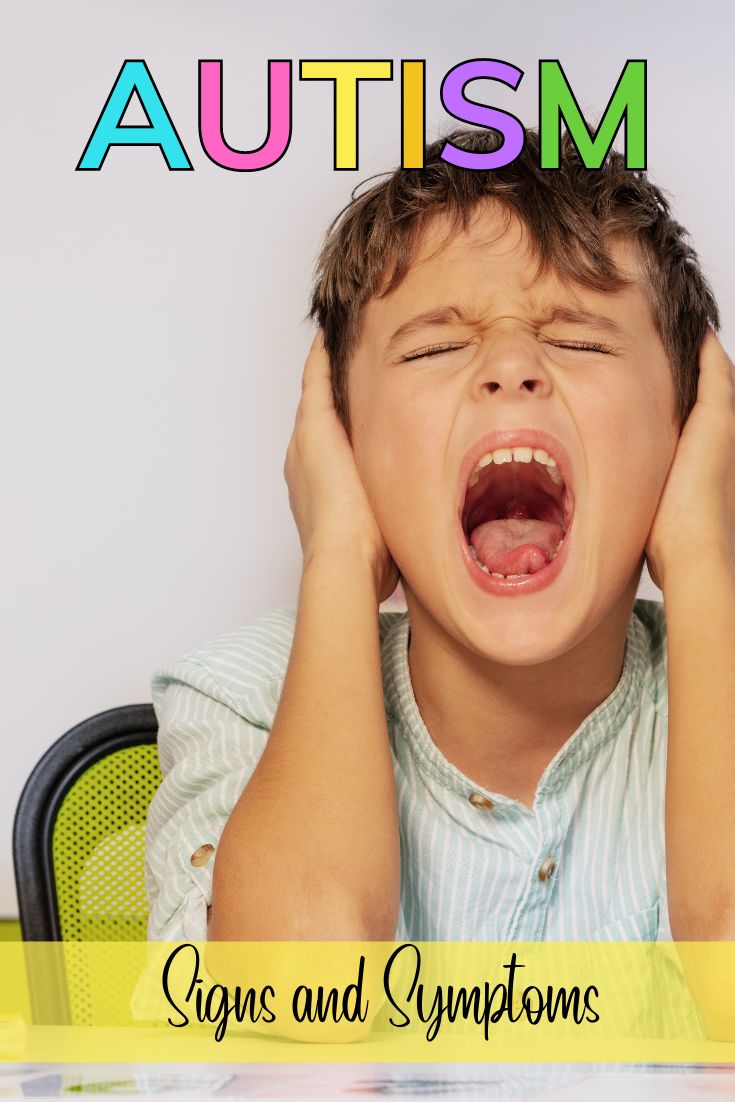
Autism Spectrum Disorder: Real Case Scenario & Parent Guidance | Therapist Sana Hassan
Introduction
Autism Spectrum Disorder (ASD) is a neurodevelopmental condition that affects communication, social interaction, and behaviors. Because the signs often appear early in childhood, timely identification allows families to access support that improves long-term outcomes. As Therapist Sana Hassan, I frequently meet parents who feel confused during the early stages — unsure whether their child’s behavior is “normal” or a sign of ASD.
This blog provides a real, practical, and relatable case scenario, early signs, assessment expectations, and parent guidance. Treatment is only discussed at a general level (not in detail), making this an internationally appropriate and professional article.
Real Case Scenario: Ayan (4 Years Old)
Ayan’s parents first noticed differences when he was around two. He rarely responded to his name, avoided eye contact, and preferred playing alone for long periods. At preschool, teachers observed that he did not join group activities and became upset when routines changed. He had limited speech and mostly repeated lines from cartoons (echolalia).
Key concerns reported by parents:
-
Very limited eye contact
-
No response when called by name
-
Repetitive hand-flapping movements
-
Strong reaction to loud sounds
-
Plays alone and does not share toys
-
Struggles to express needs verbally
-
Distress when routine is changed
After consistent concerns from school and home, the parents sought a professional evaluation.
Understanding Autism Spectrum Disorder
Autism Spectrum Disorder is characterized by challenges in:
1. Social communication
-
Limited back-and-forth conversations
-
Reduced eye contact
-
Difficulty understanding gestures
-
Lack of social reciprocity
-
Limited pretend play
2. Restrictive and repetitive behaviors
-
Repetitive body movements
-
Insistence on sameness
-
Narrow, intense interests
-
Sensory sensitivities (smell, textures, lights, noise)
3. Sensory processing differences
Some children are overwhelmed by loud sounds or bright lights, while others seek sensory input like jumping or spinning.
Early Warning Signs Parents Should Notice
-
Not pointing to show interest
-
No meaningful response to name
-
Limited smiling or social engagement
-
Loss of previously spoken words
-
Fascination with spinning objects
-
Avoids physical affection
-
Very picky about textures in food
-
Plays with toys in repetitive ways (lining, stacking)
If several of these signs appear consistently, early screening is recommended.
Assessment Process for Autism Spectrum Disorder
An ASD evaluation usually involves:
1. Developmental History Interview
Parents describe:
-
Pregnancy and birth
-
Milestones (walking, talking)
-
Social behaviors
-
Play patterns
-
Sleep and eating
-
Any regression
2. Structured Observation
Clinicians observe:
-
Play behaviors
-
Interaction attempts
-
Eye contact
-
Sensory responses
-
Communication attempts
3. Standardized Screening Tools
Professionals may use:
-
M-CHAT
-
Developmental checklists
-
Autism observation schedules
4. Multidisciplinary Collaboration
Depending on symptoms, professionals may involve:
-
Pediatricians
-
Psychologists
-
Speech therapists
-
Occupational therapists
5. Feedback Session
Parents receive a clear explanation of:
-
Findings
-
Severity level
-
Recommended supports
-
School guidance
This helps families begin the right interventions at the right time.
General Overview of Treatment
Treatment for Autism Spectrum Disorder is individualized and depends on a child’s strengths and challenges. The following are general components — not detailed therapy procedures:
-
Educational support: Structured learning environment.
-
Speech therapy: Improving expressive and receptive language.
-
Occupational therapy: Sensory regulation, fine motor skills, daily living skills.
-
Behavioral strategies: Reinforcing communication, reducing difficult behaviors.
-
Parent coaching: Helping parents use effective strategies at home.
Every child receives a personalized plan created by trained professionals.
Practical Tips for Parents
Parents often ask what they can do while waiting for therapy sessions or evaluations. Here are practical, non-technical steps:
1. Build Predictable Routines
Children with ASD feel safer when they know what to expect.
Use visual schedules for:
-
Morning routine
-
School time
-
Meals
-
Sleep routines
2. Use Simple, Clear Language
Short sentences and a calm tone help the child process information better.
3. Reduce Sensory Overload
-
Avoid crowded, noisy spaces
-
Use headphones if noise is overwhelming
-
Use soft lighting at home
4. Encourage Communication
Praise any attempt to communicate — gestures, pointing, word approximations.
5. Follow the Child’s Interests
Join their play instead of forcing your own.
6. Work Closely With School
Teachers should be aware of:
-
Strengths
-
Triggers
-
Sensory needs
-
Communication style
Collaborative communication supports smoother learning.
Ayan’s Outcome (Case Follow-Up)
After assessment, Ayan began early intervention. Parents reported improvements after consistent routines and increased communication support. He became more engaged, started using short words to express needs, and showed reduced distress during transitions.
Even without discussing treatment in detail, this scenario highlights the power of early recognition and structured support.
When to Seek Professional Help
Consult an expert if you notice:
-
Persistent social withdrawal
-
Very late speech development
-
Repetitive movements
-
Overreaction to sensory input
-
Difficulty adjusting to routine changes
Early evaluation does not harm — but delay can.
Short FAQ About Autism Spectrum Disorder
1. Can Autism Spectrum Disorder be diagnosed before age 3?
Yes. Many signs are visible during toddlerhood. Early screening improves outcomes.
2. Does ASD mean lifelong disability?
ASD is lifelong, but children can significantly improve with support.
3. Will my child ever talk?
Many children with ASD develop speech with structured intervention, though timelines vary.
4. Should I wait for the child to “grow out of it”?
No. Early support is crucial.
Conclusion
Autism Spectrum Disorder is a diverse and unique condition, and every child’s journey looks different. Early awareness empowers parents to take timely action. If your child shows signs similar to Ayan’s case, consult a qualified professional. Support, understanding, and consistency can make a powerful difference.
For personalized guidance, parents can book a session with Therapist Sana Hassan to discuss concerns, assessment needs, and next steps.